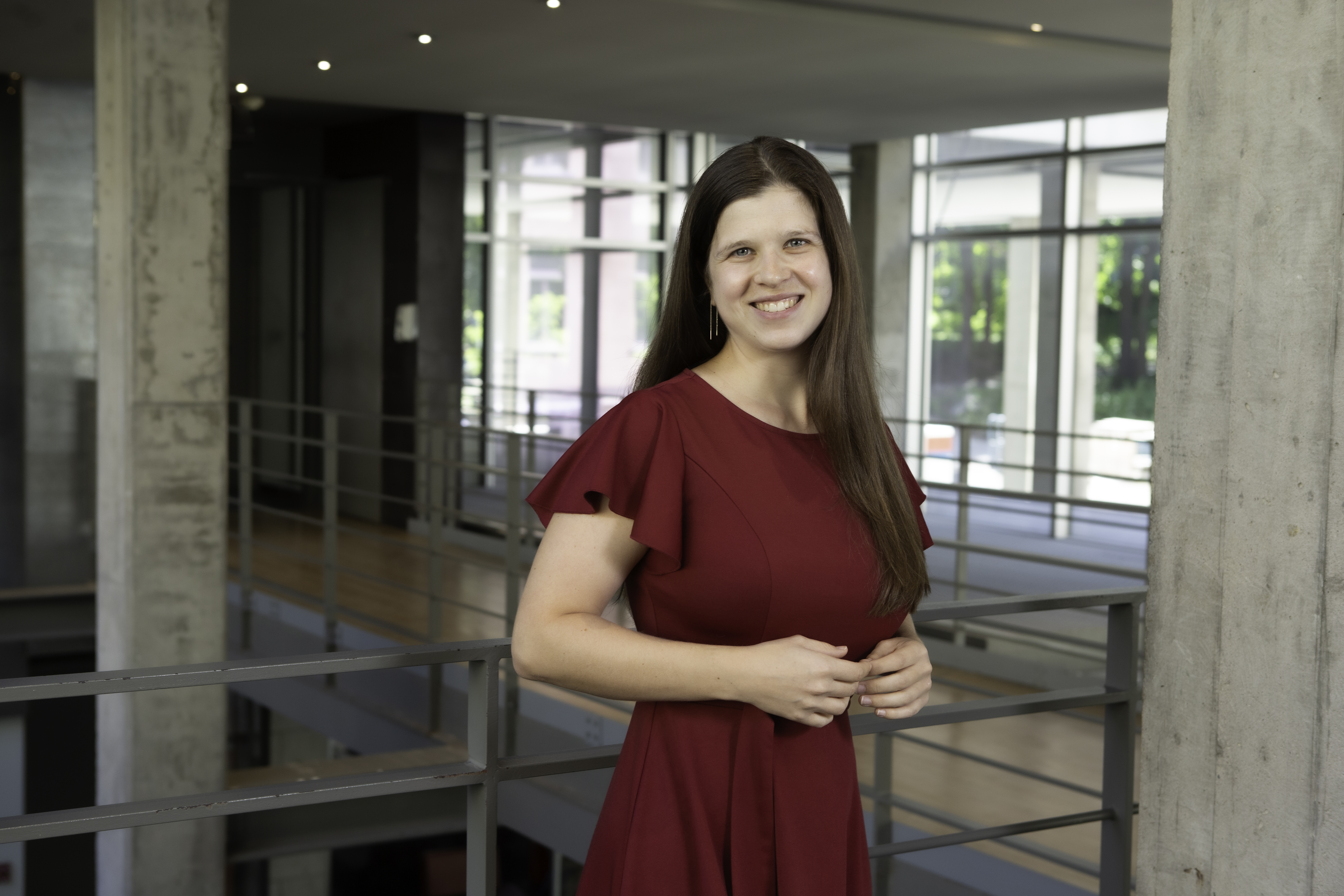
Ayla Rigouts Terryn
Assistant Professor of Translation Technology & AI
Université de Montréal, Département de linguistique et de traduction
Mila Quebec AI Institute, Associate Academic Member
IVADO Professor
FRQ-IVADO Research Chair (2026-2031)
At the Crossroads of Languages and AI: Towards a Synergy Between Language Expertise and Computational Innovation
Research center affiliations: Observatoire de Linguistique Sens-Texte (OLST) | Centre de Recherche Interuniversitaire sur les Humanités Numériques (CRIHN)
I am an Assistant Professor at the Université de Montréal, where I focus on natural language processing (NLP) and translation technology. My research explores NLP in multilingual and non-English contexts (including under-documented languages and domain-specific settings), nuanced analysis and evaluation of large language models, and translation technology for domain-specific texts and terminology.
Recent News & Highlights
I contributed to the Last Translation Benchmark (LTBv1), a community-driven, continuously updated benchmark of challenging translation failure cases for leading MT models, with contributions from over 260 researchers. The benchmark includes handcrafted examples with verification rules designed to make MT evaluation more reliable and harder to game.
After already working together over the summer, Manuel Archambault (PhD Linguistics, co-supervised with Prof. Justin Royer, on NLP for Chuj) and Noah Tremblay Taillon (MSc Computer Science, on machine translation with LLMs) have officially started their degrees under my supervision. Welcome!
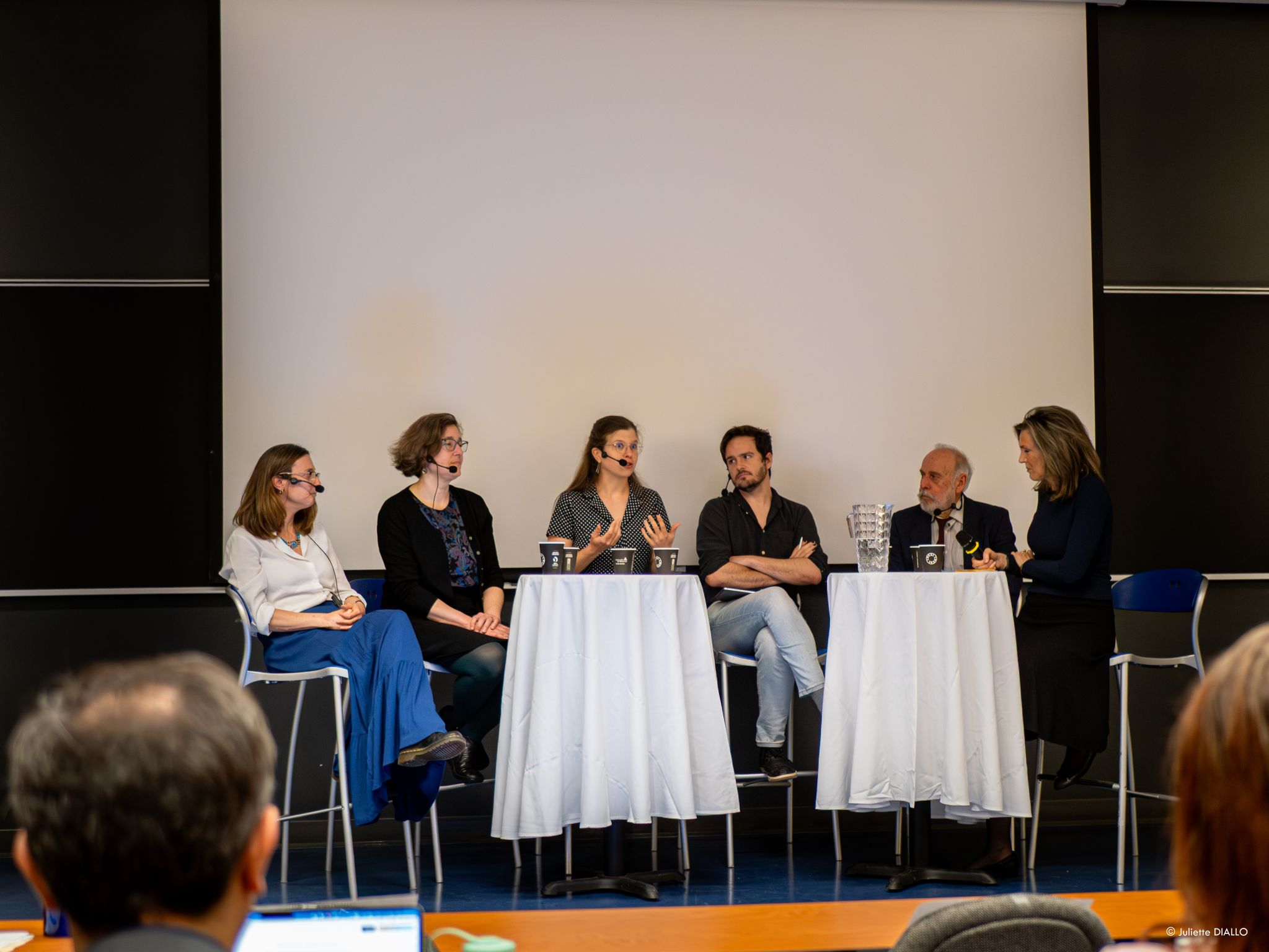
I participated in the round table "Quelle est la valeur des études universitaires en 2026?" at UdeM's Colloque annuel sur le soutien à la réussite étudiante, discussing the evolving role of university education in the age of AI.
I agreed to step in as track chair of the Research Technical Track at EAMT 2026.
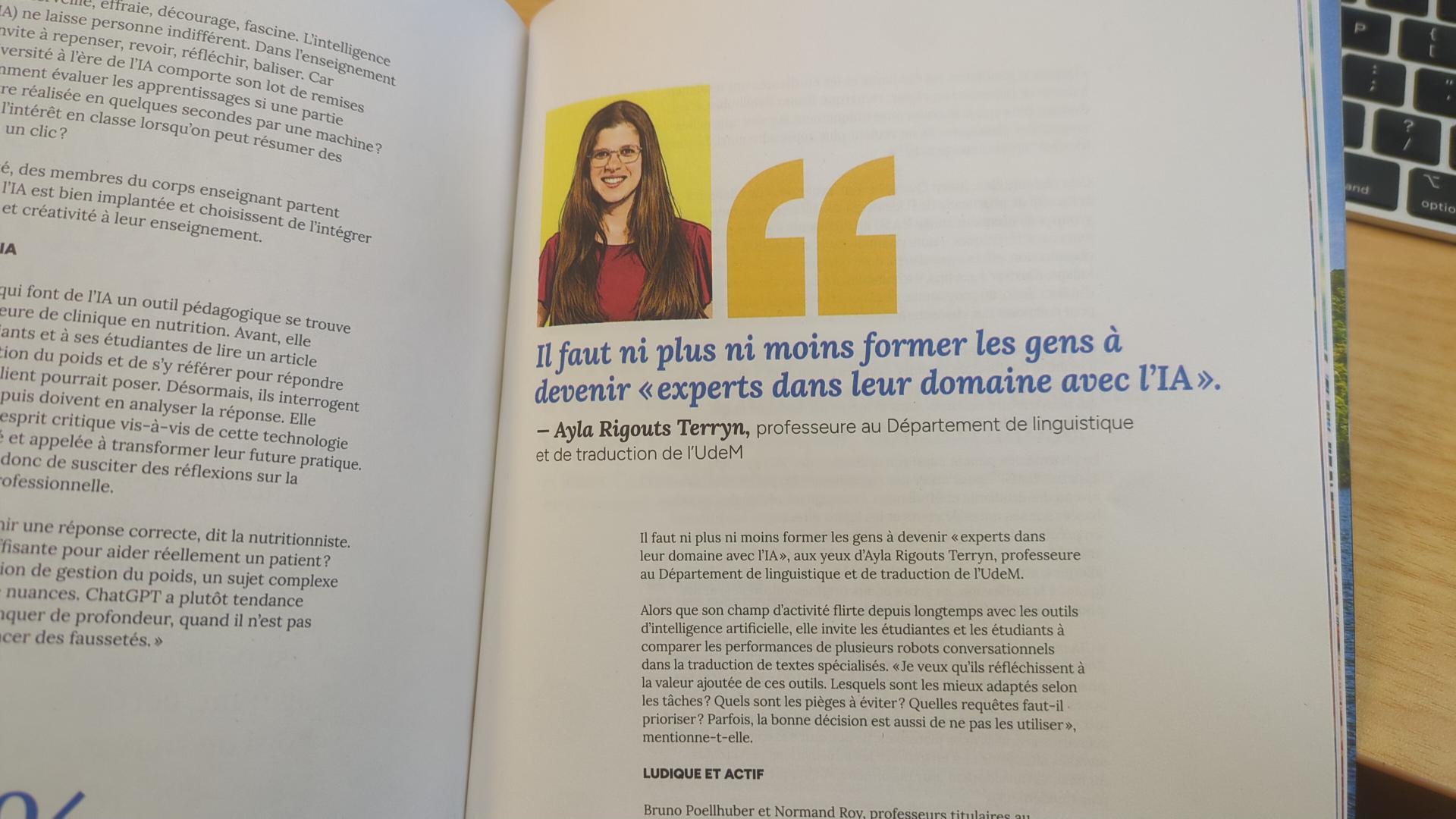
Two recent articles include interviews with me on AI and language. The French science magazine Epsiloon dedicated its latest special issue to the language of LLMs, and UdeM's magazine featured a piece titled "Ces profs qui sautent à pieds joints dans l'IA" on faculty integrating AI into their teaching and research.
I presented our paper on LLMs and cultural values, published in Computational Linguistics, at EACL 2026 in Rabat. The talk was in the session on Values and Moral Reasoning in LLMs.
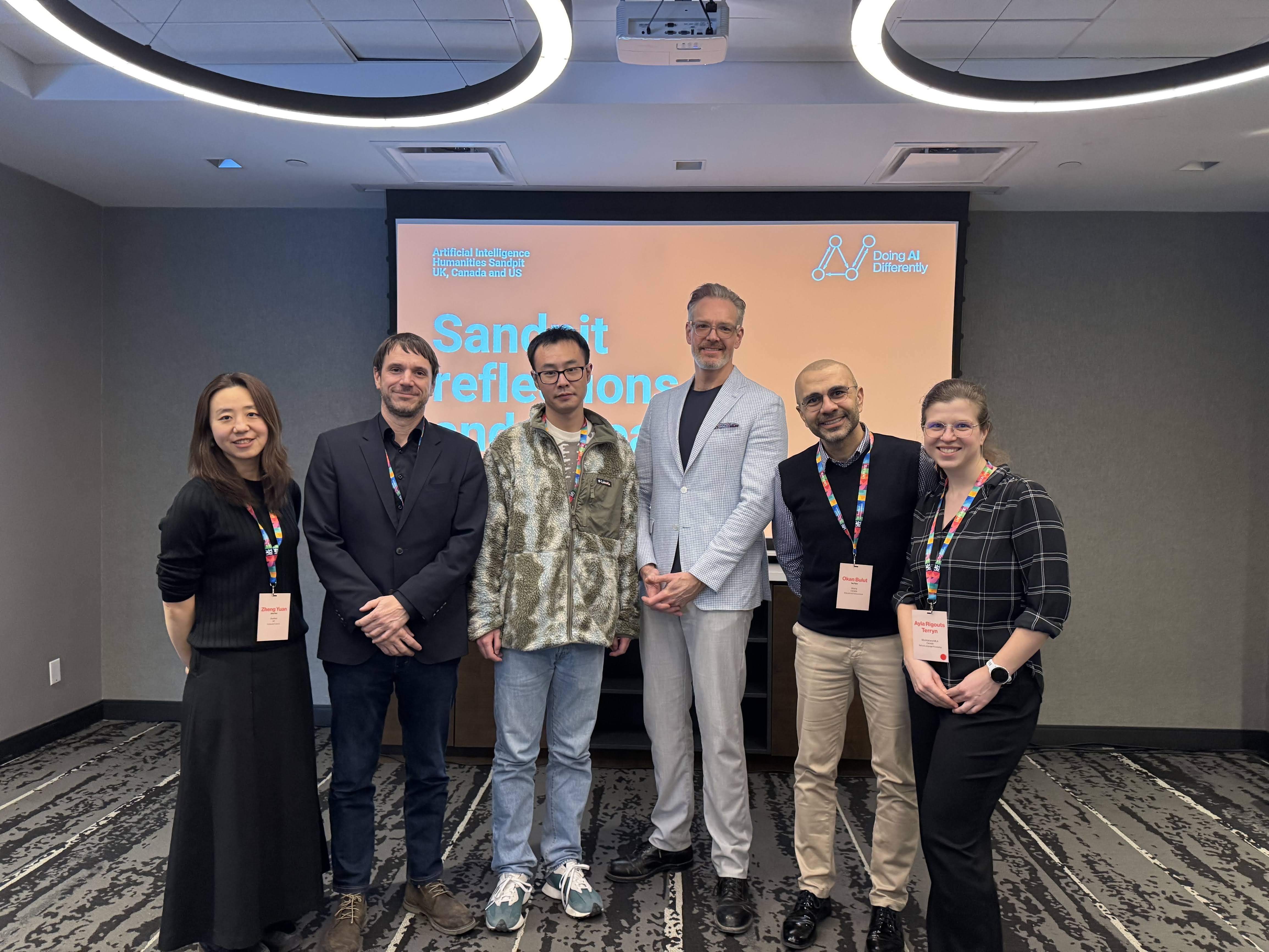
After some initial apprehension, the AI & Humanities Sandpit by AHRC and SSHRC turned into a genuinely cross-disciplinary and highly productive event for researchers from Canada, the UK, and the US. I am grateful to the collaborators I met there—Jean-François Godbout, Okan Bulut, Zheng Yuan, Ziquan Liu, and Michael Ullyot—and excited about the research idea our team developed together. Many thanks as well to the organisers for clear communication and excellent planning throughout.

I taught a 4-hour online training course for OTTIAQ (Ordre des traducteurs, terminologues et interprètes agréés du Québec) on January 19th, 2026. The course was taught in French and designed for language professionals, covering generative AI technologies for translation.
I'm co-organising the 19th BUCC workshop with Reinhard Rapp, Serge Sharoff, and Pierre Zweigenbaum. The workshop will be hosted at the LREC 2026 conference on May 11th in Palma, Mallorca. We welcome submissions on all aspects of comparable corpora, from their construction and use to their application in NLP tasks. The detailed call for papers is available on the BUCC 2026 website.

I was selected to participate in the AI Humanities Sandpit, a collaborative initiative by AHRC and SSHRC exploring how humanities insights can shape AI design. The sandpit brings together 60 researchers from the UK, Canada, and the US for an in-person workshop in Montreal (February 2026) and a virtual workshop (April 2026), with up to four projects to be funded. The theme—"interpretive technologies"—focuses on AI systems that can engage with ambiguity, cultural context, and plurality.
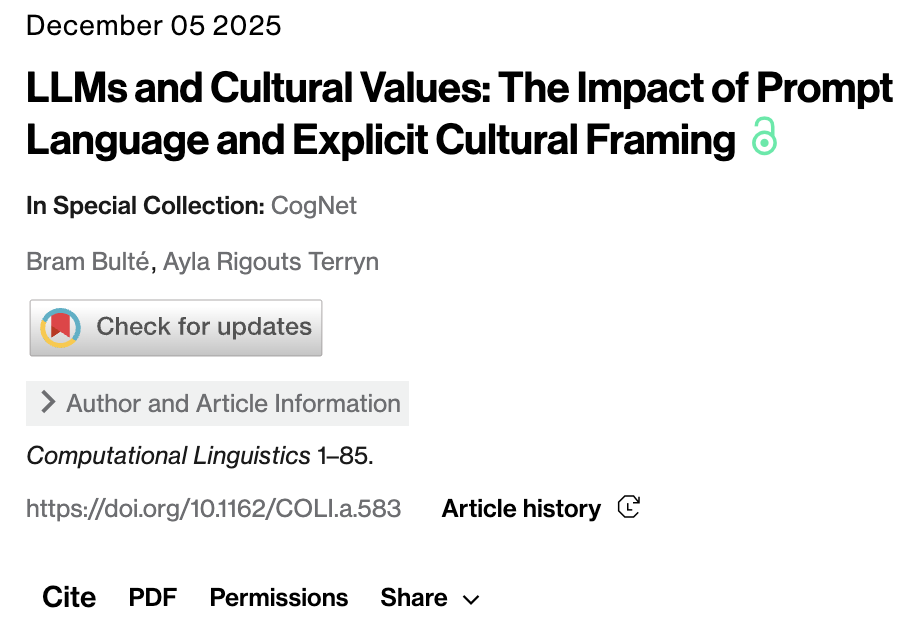
Which cultural values do LLMs exhibit? Do the values shift when you change the prompt language? And can we steer them? I was curious and spent much of the past year trying to answer these questions. Given the scope and complexity of the data, I’m very glad Bram Bulté agreed to collaborate with me. Together, we were able to turn this project into a paper I’m excited to share. You can already consult the accepted preprint of the manuscript here. I ended up prompting 10 LLMs in 11 languages with 63 value-laden questions, and we found that language and cultural framing do change responses. However, a systematic bias remains across all prompts towards value profiles that align with a narrow set of countries in our data: the Netherlands, Germany, the US, and Japan.
I was awarded funding from IVADO's Regroupement 3 (Natural Language Processing) for a collaborative project with Prof. Justin Royer on NLP for Chuj, an under-documented Mayan language. This project is part of IVADO's Canada Excellence Research Fund Apogée initiative to develop robust, reasoning, and responsible AI (IAR³). This interdisciplinary research aims to get the very most out of data collection efforts, making sure the collected data can be used both for language documentation research and as a starting point for the development of NLP resources and tools.

I was honoured to be awarded one of the FRQ-IVADO Research Chairs (2026-2031): "At the Crossroads of Languages and AI: Towards a Synergy Between Language Expertise and Computational Innovation".
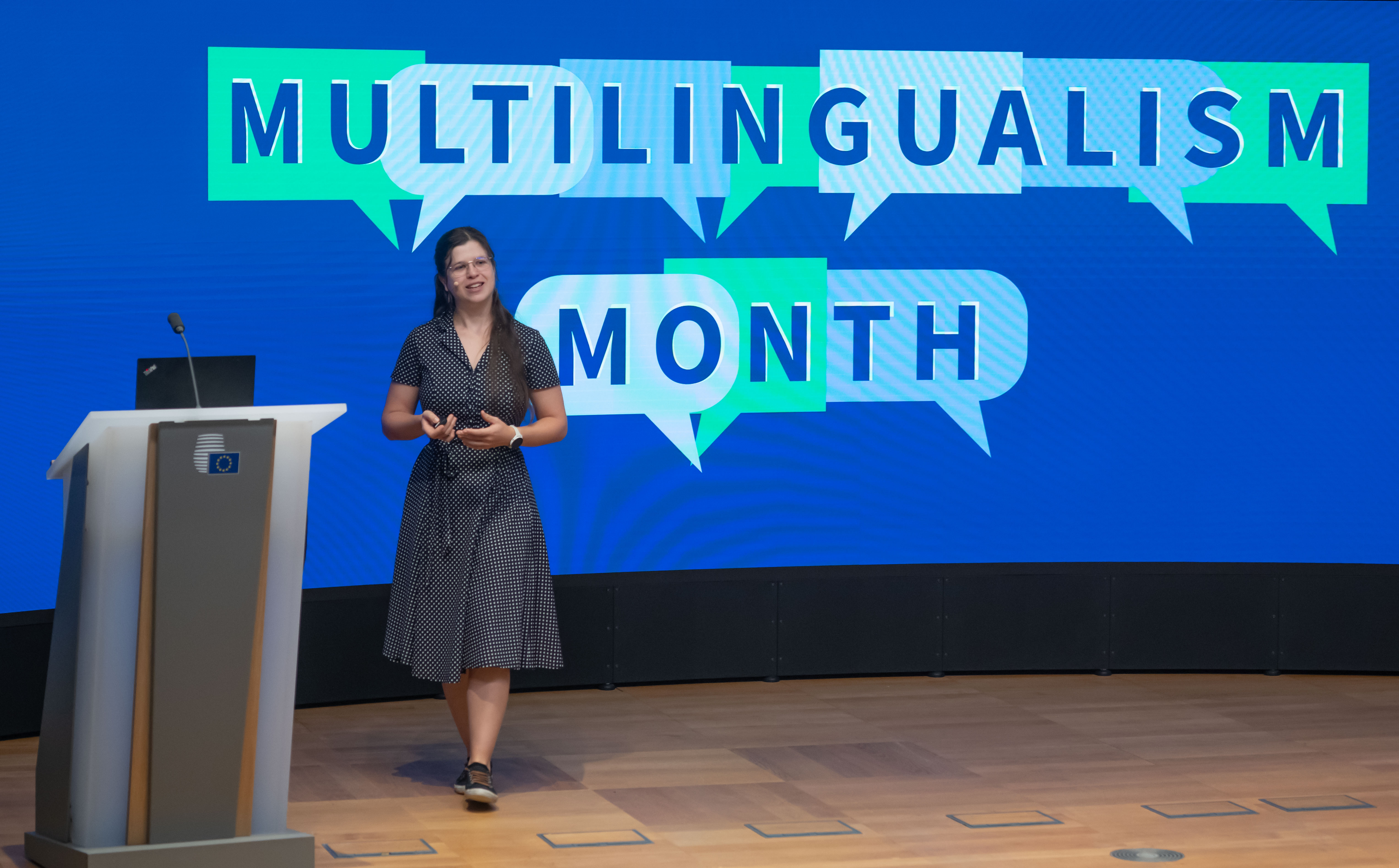
Was invited to present on AI and multilingualism at the closing event of the Month of Multilingualism at the EU Council.
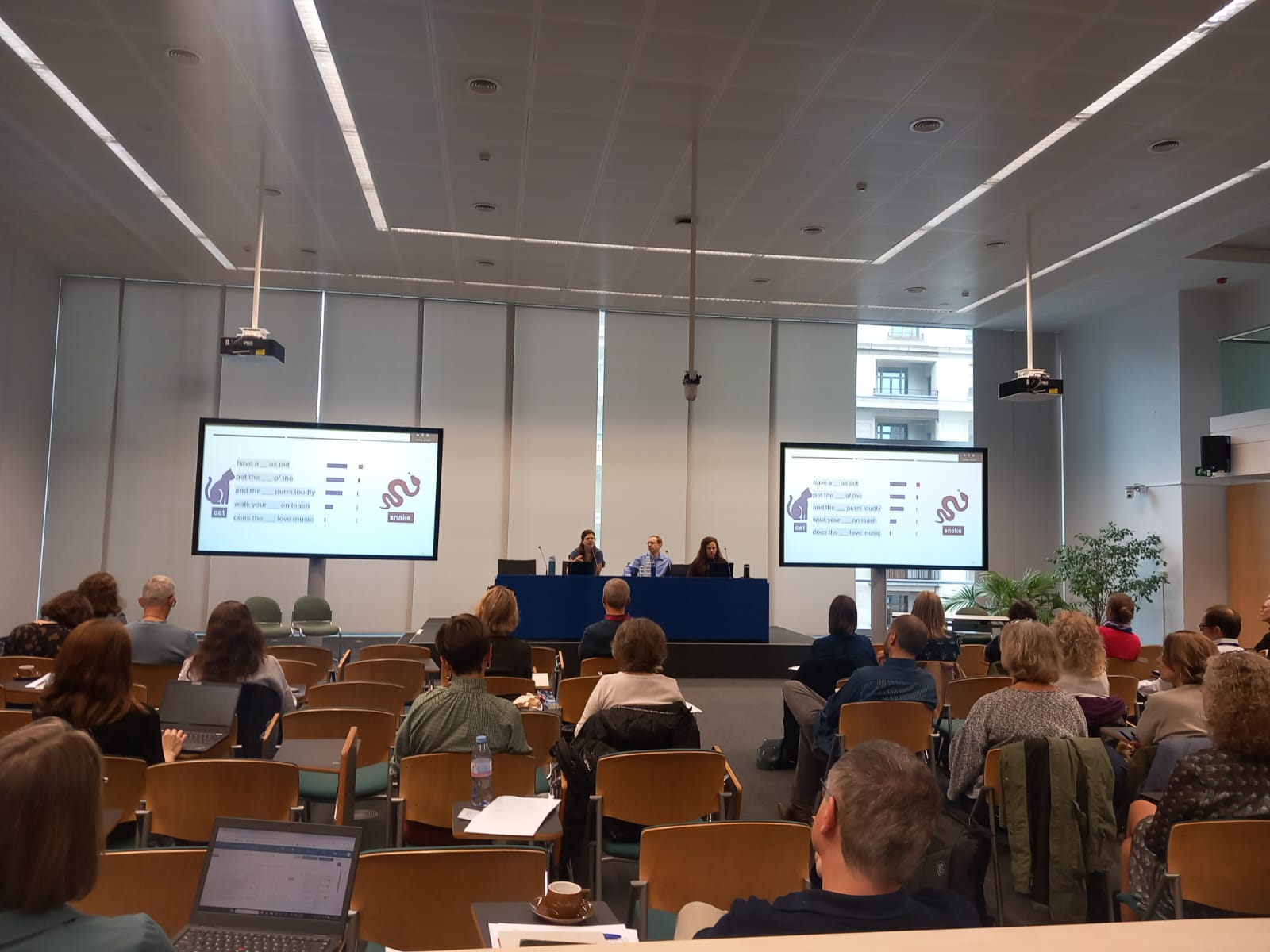
Presented on AI and terminology at the ITF, including both a plenary talk and interactive workshop at for terminologists from all EU institutions.

Presented my latest work on the cultural values exhibited by AI and the impact of prompt and prompt langauge at Mila's NLP reading group.

Awarded a Fonds de Recherche du Québec - Nature et Technologies (FRQNT) research support grant for new academics (2025-2027) for the project "Translation and Contamination: Evaluation of the Translation Capabilities and English Bias in Large Language Models." This research will systematically investigate how English bias manifests in large language models and impacts their translation capabilities.

Started my position as Assistant Professor in Translation Technology & AI at UdeM, with affiliations at Mila, IVADO, OLST, and CRIHN